



- Article
- Comments (0)
En route Foreign Direct Investment
Tags : FDI in retail | multi-brand retail |
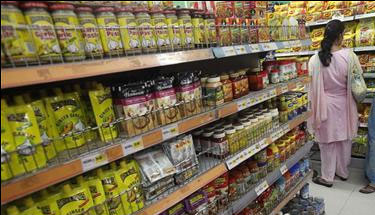 With 100% FDI in cash and carry (wholesale) in 1997, and from 51% FDI in single-brand retail in 2006 to 100% in 2012, India has moved ahead by opening its gates to 51% FDI in multi-brand retail sector.
With already having 100% FDI in single-brand retail, India has leapt forward by allowing 51% FDI in multi-brand retail. But the cities having a population of more than 10 million would only be eligible for this liberalization benefit.
While there is an unrest among the opposition parties and small retail traders over the government allowing 51% FDI in multi-brand retail, industry experts are in contrast with the view. Adi Godrej, President CII said, “The move to open up multi brand retail is a major step in the right direction and this will not only end a long standing uncertainty in policy making but also boost investors’ confidence besides promoting supply chains in the agriculture sector.”
Alike agriculture, FDI liberalization in other sectors like aviation and broadcasting will attract more foreign players, more capital inflow and will bring in the latest and best technology.
While such a major move has been taken, many from the industry welcome government's decision over FDI in retail. A common notion in the industry is that India is not capable enough to grow on its own. A market expert says, “FDI has brought in advantages in all sectors. The level of infrastructure has grown faster than it would have through investment of Indian capital.”
Shubhranshu Pani, Managing Director – Retail Services, Jones Lang LaSalle India says, “As a country, India does not have the required depth of resources and funding. Very few Indian entrepreneurs have evolved beyond the small format kirana store to create formats that are ready for modern retail. They also need capital support.”
Farmers and small retailers on the other hand are quite apprehensive whether FDI in retail will positively contribute in enhancing their incomes and further brings a surge in their living standards!
Paralyzed by myriad problems, Indian retail cycle has still many dots to be connected. Poor roads, inadequate power supply, technology incapable of meeting the international standards, resulting in poor efficiency in the supply chain, are the areas India needs serious consideration. Furthermore, weak distribution system and lack of transparency in pricing from the intermediaries create an imbalance in the whole network. This is where foreign capital inflow is imperative.
Pankaj Renjhen, Managing Director - Retail Services, Jones Lang LaSalle India says, “The increased flow of capital, if used effectively, will benefit both the farmers and the consumers. Farmers will benefit from the better price indexing and direct selling to the retailer. The consumer, in addition to having a better shopping experience, will benefit from the competition and the resultant reduced prices.”
Also, the many cash-strapped Indian retailers, with the capital inflow from the foreign players, will get a bail-out option.
While there is no denial that the new policy may act as a catalyst for the required growth in the retail sector and the Indian retailers will be benefitted by the best management practices and technology sharing by the foreign retail players, careful consideration should be given to the interests of SMEs, farmers and consumers to safeguard their future.


 Issue Dated: Feb 5, 2017

