


- Article
- Comments (0)
CSE confirms high toxins in Singrauli water, soil
Tags : Singrauli thermal power house | CSE< mercury | coal minses | power |Sonebhadra |
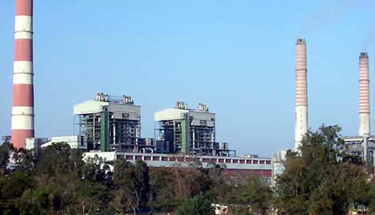 The nation's thermal power house, Singrauli is diseased with high levels of mercury present in soil, water, fish, human hair, blood and nails, according to a study conducted by the Centre for Science and Environment, Delhi.
Singrauli, which lies in the state's second largest district Sonebhadra, produces 83 million tonnes per annum of coal and 13,200 million watts of thermal power which is 12 per cent of the country's output, but the absence of regulatory standards and safe technologies for disposal of fly ash has led to disease and disability.
Mercury is a natural component of coal and it is released into the atmosphere when coal is burned in thermal plants. It enters the environment through soil, water and through environment run off from coal mines.
The study found that the average level of mercury in human blood was six times the safe level, the highest amount of the metal found in human hair was five times the safety limit, while the fish in the region carry twice the safe limits in their body. These are the results of tests conducted on 57 strategically selected samples.
Mercury is the most neuro toxic element known to man and its presence magnifies as one goes up the food chain. It's presence in humans lead to skin discolouration, muscular weakness, depression, respiratory diseases, reduced vision and impaired language skills.
The state government's independent studies have also established that the population of Sonebhadra is more prone to acute illnesses as compared to that of the rest of the state.
According to the annual health survey of 2010-11, two and a half times more cases of diarrhoea, dysentery and respiratory infections are detected in Sonebhadra, while the maximum number of chronic illnesses, such as diabetes, hypertension, tuberculosis, asthma and arthritis are also detected in the district.
Sunita Narain, director CSE said, "Thermal power is a reality and its need cannot be denied. However, the government needs to set standards. There are already plans for expansion of thermal plants in the region without a study of how much more the region can sustain."
Most of the fly ash disposed by the plants in the region finds its way to Rihand dam which has a catchment area in excess of 5,000 sq kilometre.
"There is every possibility that the problem exists on a much larger scale. There should be a detailed, extensive study on it," said Narain in Lucknow during the release of the report.


 Issue Dated: Feb 5, 2017

