


- Article
- Comments (0)
BOOK REVIEW
Tags : The King is dead | Granta 119 Britain | book review | the sunday indian |
 The King Is Dead
Granta 119: Britain
Various
Distributed by Penguin
Edition: Paperback
ISBN: 978-1-90588-156-7
Pages: 290
Price: Rs 699
In March, while covering the Russian Presidential elections in Moscow, I came across a couple who appeared decidedly British because of their clipped accent. Just to strike a conversation (never a good idea with Brits) I inquired whether they were Brits. “I am a Scot,” the woman hissed, almost on cue. I apologised profusely and made good my escape. It was only in the evening that I realised that I had apologised basically for calling a Brit, a Brit!
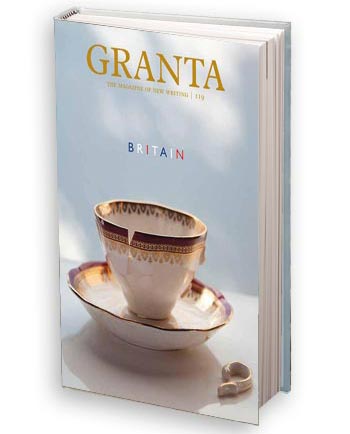
This was the first incident that crossed my mind when I saw Granta’s latest outing. The editors have, for its 119th edition, selected “Britain” as a theme. The image on the cover, a lone tea-cup and a Bone China saucer cracked from the middle and chipped off with a broken handle on the side, is a giveaway on the edition’s motivation.
In its last few outings, Granta has explored Africa, Chicago, Pakistan, and the world of Spanish-language letters. In fact, lately, it has kept its focus on such specific editions and it has worked for them as well. In the same tradition, in this audacious issue, the magazine has tried to look within. Britain of today is a nation in terminal decline, and like any nation in decline it shows all the attendant traits; complex politico-economic cauldron, changing demography, harsh economic reality and ever painful loss of prestige. Yet, its society does not betray any sign that it is willing to give up haughtiness or its still pretty rigid class structures. Naturally, the issue must reflect all these and more.
Identities remain, as discussed earlier, British’s favourite fad. And Granta does justice to that. So we have the brilliant Mario Vargas Llosa treating us with The Celt, an extract from his upcoming novel The Dream of The Celt, dealing with the Irish identity in 1920s Britain and how a knighted, promising, closet-Catholic diplomat, son of a Protestant military officer who “did not believe in coddling children, since this made them soft in the struggle to survive”, recovers is identity and bearings in Africa and decides to rebel against the crown.
Similarly, in Sugar In The Blood Andrea Stuart introduces the readers to the nitty-gritty of the sugar trade and how it became the very base of the new wealth that raised a generation of English speculators and plantation owners. In the process, it also sustained slavery for a good generation or so. Its cruelty is aptly described by Stuart’s own experiences. Her forefathers, Englishmen all, carried the idea of colonialism on their sleeves in their attempt to colonise Barbados. Then, sometime in the tumultuous 70s, Stuart decides to return to Britain, and the black woman abruptly found herself an alien in a place she had grown up calling “home”. “My colour still enters the room before I do,” she laments. “And I cannot help resenting the notion that, while I am, according to some, not good enough to be British, my ancestors were nonetheless good enough to help build the country, defend it and die for it.”
Another endearing piece is by Tania James who lucidly sketches the stay of Indian wrestlers Gama and his brother Imam in London in their quest to win the title of Rustam-e-Zama (world championship). Not falling for the usual fish-outta-water gimmick, James carefully deals with the contrast in the character and ethos of these subjects and the empire they are subjects of. Asked whether they considered themselves “moderate” or “radical”, Gama and Imam search answers in each other and conclude, “We are Pehelwan.” As London prepares to host the Olympics amid a debate over the participation of discredited Dow Chemicals as a sponsor, the anecdote appears to belong to another planet altogether.
Overall, fiction seems to take the cherry. The one that stands out is Some Other Katherine, a story about an unhappy young woman who sleeps with a series of men from her office that is meant to shock and infuriate. Non-fictions lags a bit but Gary Younge’s account of the gray Hertforshire town, ‘Stevenage’, which paints a rather bleak picture of the British economic future, manages to incite interest as well.
If you are looking for stories set in identifiable and comfortable settings, this issue is not for you. It is meant to infuriate. From a huge unbeatable empire to a poodle dog, Britain has made a journey worth remembering. shorn of nostalgia, Granta’s 119th issue celebrates that decline. And thankfully so.
Brits are supposed to have known their teas and tea-cups. The Paul Smith-designed cover hints at that very exclusivity, that very sign of elitism. The King is dead. And shortly, there will be no one left to say “Long Live the King”; and mercifully so. The “jolly good fellows” have made good their escapes too.


 Issue Dated: Feb 5, 2017

