



- Article
- Comments (0)
Buenos Aires
The beats of life!
A vibrant whirlpool of fun to dive into at Buenos Aires…
Tags : La Boca | Central Plaza de Mayo | Cafe Tortoni | The Casa Rosada Presidential |
 Literally speaking, Buenos Aires could be South America’s most vibrant city because the ancient underground, rumbling buses and ageing commuter trains are its literal movers and shakers. Metaphorically speaking, the public transport system keeps the Argentine capital moving with the multi-cultural mystique of Manhattan. Rather than the so-called ‘Paris of the South’, it’s an edgy mix of Spaniards and Italians, English and Irish, French and Germans, Jews and Arabs, Chinese and Koreans, Bolivians and Peruvians. All these and other immigrants – even a small Indian community – have lent their energy to Argentina’s capital. Here are some highlights.
Around town
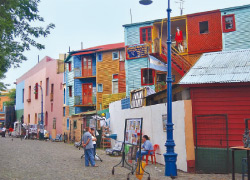
Everything starts at the central Plaza de Mayo, where Juan and Evita Perón addressed adoring throngs from the presidential palace balcony in the 1940s and the mothers of the “disappeared” marched silently for accountability during the 1970s ‘Dirty War’. It’s calmer these days, but never boring; contentious demonstrations can still trump monuments like the colonial town hall and the metropolitan cathedral. When that happens, walk south to Plaza Dorrego, where Sunday’s Feria de San Telmo is the city’s premier street fair. Tango dancers and musicians, mimes and stalls of antiques and crafts make the old colonial quarter a can’t-miss. Further south, garish primary colours brighten La Boca’s curved Caminito pedestrian mall in an Italian neighbourhood, once filled with precarious tenements that’s now an artist’s colony.
For high culture, take in a tour of the opera at the Teatro Colón. A visit to the city is incomplete without a tour of the Cementerio de la Recoleta, the rich and famous cemetery where pilgrims pay homage to Evita.
 Mealtimes
Buenos Aires boasts of a diverse and creative international cuisine, especially in the Palermo district, but the standby remains beef at stylish steakhouses like Puerto Madero’s Cabaña Las Lilas. Locals prefer simpler, cheaper options like Palermo’s El Trapiche. Remember, nobody eats dinner before 9 pm.
At the more creative end, Palermo’s Olsen provides Patagonian specialties such as lamb with a Scandinavian twist, in a unique northern forest setting. Belgrano’s Pura Tierra uses Argentine cuisine. The South Seas seafood at the French colonial Azema Exotic Bistro is unique, with spicier-than-usual options for Argentina. If you’re homesick for curries, try Katmandu, where naan and basmati are staples. Though a bit out of the way, Chacarita’s Masamadre Es Con M satisfies demanding vegetarians.
 Up All Night
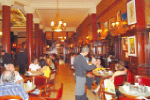
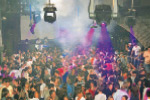
Just blocks from the Plaza de Mayo, the historic Café Tortoni is not what you can afford to miss, but at night it showcases live tango music and dance. San Telmo’s Torquato Tasso is the place to see the best tango music and song. Most dance clubs don’t open until at least 1 am, but nobody goes that early; instead they hang out for drinks at places like Palermo’s Bar Único and later head to dance clubs like Crobar where when the sun rises outside, nobody knows or cares.
Bewares in Buenos Aires
By most standards it’s not a dangerous city, but petty crimes such as purse-snatchings and pickpocketing, often with staged distractions, do take place. Avoid flaunting cameras, jewellery, expensive watches and the like.


 Issue Dated: Feb 5, 2017

