


- Article
- Comments (0)
Negotiations key to success of reforms
Tags : upa 2 | manmohan singh government | economic reforms | fdi in insurance | fdi in pension sector |
 The success of the second wave of big ticket reforms unleashed by UPA II rests on the twin pillars of communication and negotiations with allies and other stakeholders. Realising this, the UPA leadership has already begun reaching out to India Inc, foreign investors as well as voters with 2014 General Elections less than two years away.
The second wave of bold reforms unleashed by the government includes opening up the pension sector to foreign investment and raising the FDI cap in insurance to 49 per cent. The cabinet meeting, presided by Prime Minister Manmohan Singh, also approved amendments in the Forward Contract (Regulation) Act and Companies Bill that is already in Parliament.
Undeterred by opposition to its decisions on FDI in retail and threats to block new legislations, the government went ahead with the long-pending reforms which have started showing positive effect on the economy. The Sensex touched 19,000 on Thursday soon after the announcement.
But many of these big-ticket reforms require legislation. The government lacks requisite numbers in Parliament and will need help from its allies who have already voiced their dissent against some of these reforms.
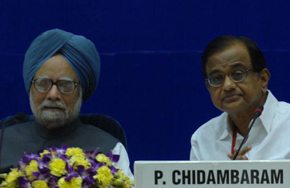
Sensing this, Finance Minister P Chidambaram on Thursday said the government will reach out to political parties, especially the principal Opposition BJP, in seeking their support for passage of the Bills on insurance and pension sector in the winter session of Parliament.
UPA troubleshooters will not only have to ensure that the reform measures are communicated well to different stakeholders, but also have to convince their allies to conform to the government's agenda.
If reform measures, particularly those related to the pension and insurance sectors, are not communicated well, they may face stiff resistance from many quarters. The government has already burned its fingers once by allowing FDI in multi brand retail without taking allies like Trinamool Congress into confidence. Trinamool later withdrew support on the issue. Allies DMK and NCP are also opposed to the reforms agenda of the UPA, particularly the hike in diesel prices and FDI in retail.
In a bid to take the government's reforms mandate directly to the people, Prime Minister Manmohan Singh in his address to nation last fortnight, stressed on trust and cooperation to sustain these reforms.
"We have much to do to protect the interests of our nation, and we must do it now. The time has come for hard decisions. For this I need your trust, your understanding, and your cooperation," he appealed to a billion plus Indians. Singh's address was as much to seek support from all stakeholders, as to dispel the notion that there was a continued policy paralysis in the ruling establishment.
Promising to do everything necessary to put country back on the path of high and inclusive growth, Prime Minister appealed to the nation to not be misled by fear and false information. "Please do not be misled by those who want to confuse you by spreading fear and false information. The same tactics were adopted in 1991. They did not succeed then. They will not succeed now. I have full faith in the wisdom of the people of India," he added.
Meanwhile, the government is also turning on its charm with allies and opposition parties to garner the much needed consensus to legislate on some of the big ticket reforms. "We will reach out to all political parties, especially the principal opposition party, to get the reforms bill passed (in Parliament). Legislation is a process of negotiations and discussions with political parties and reaching a consensus," Chidamabaram said when asked how confident the government was about getting these bills cleared.
"We are fully aware of the Standing Committee's recommendations. However, at the same time, taking an objective view of the situation, we will have to sit and talk with political parties," he added.
To a question about the absence of ministers belonging to allies DMK and NCP and whether they would support these legislations, he shot back, "why should you assume they will not support?"
The road ahead will be tough for the top leaders of the government as they negotiate hard with political parties on one hand and try to sell the reforms to the people on the other. After years of scams, scandals and policy paralysis, UPA has realised that it must deliver on the economy to gain strategic advantage with voters before 2014. And it is determined to use every bullet in its arsenal to gain that upper hand.
The success of the second wave of big ticket reforms unleashed by UPA II rests on the twin pillars of communication and negotiations with allies and other stakeholders. Realising this, the UPA leadership has already begun reaching out to India Inc, foreign investors as well as voters with 2014 General Elections less than two years away.
The second wave of bold reforms unleashed by the government includes opening up the pension sector to foreign investment and raising the FDI cap in insurance to 49 per cent. The cabinet meeting, presided by Prime Minister Manmohan Singh, also approved amendments in the Forward Contract (Regulation) Act and Companies Bill that is already in Parliament.
Undeterred by opposition to its decisions on FDI in retail and threats to block new legislations, the government went ahead with the long-pending reforms which have started showing positive effect on the economy. The Sensex touched 19,000 on Thursday soon after the announcement.
But many of these big-ticket reforms require legislation. The government lacks requisite numbers in Parliament and will need help from its allies who have already voiced their dissent against some of these reforms.
Sensing this, Finance Minister P Chidambaram on Thursday said the government will reach out to political parties, especially the principal Opposition BJP, in seeking their support for passage of the Bills on insurance and pension sector in the winter session of Parliament.
UPA troubleshooters will not only have to ensure that the reform measures are communicated well to different stakeholders, but also have to convince their allies to conform to the government's agenda.
If reform measures, particularly those related to the pension and insurance sectors, are not communicated well, they may face stiff resistance from many quarters. The government has already burned its fingers once by allowing FDI in multi brand retail without taking allies like Trinamool Congress into confidence. Trinamool later withdrew support on the issue. Allies DMK and NCP are also opposed to the reforms agenda of the UPA, particularly the hike in diesel prices and FDI in retail.
In a bid to take the government's reforms mandate directly to the people, Prime Minister Manmohan Singh in his address to nation last fortnight, stressed on trust and cooperation to sustain these reforms.
"We have much to do to protect the interests of our nation, and we must do it now. The time has come for hard decisions. For this I need your trust, your understanding, and your cooperation," he appealed to a billion plus Indians. Singh's address was as much to seek support from all stakeholders, as to dispel the notion that there was a continued policy paralysis in the ruling establishment.
Promising to do everything necessary to put country back on the path of high and inclusive growth, Prime Minister appealed to the nation to not be misled by fear and false information. "Please do not be misled by those who want to confuse you by spreading fear and false information. The same tactics were adopted in 1991. They did not succeed then. They will not succeed now. I have full faith in the wisdom of the people of India," he added.
Meanwhile, the government is also turning on its charm with allies and opposition parties to garner the much needed consensus to legislate on some of the big ticket reforms. "We will reach out to all political parties, especially the principal opposition party, to get the reforms bill passed (in Parliament). Legislation is a process of negotiations and discussions with political parties and reaching a consensus," Chidamabaram said when asked how confident the government was about getting these bills cleared.
"We are fully aware of the Standing Committee's recommendations. However, at the same time, taking an objective view of the situation, we will have to sit and talk with political parties," he added.
To a question about the absence of ministers belonging to allies DMK and NCP and whether they would support these legislations, he shot back, "why should you assume they will not support?"
The road ahead will be tough for the top leaders of the government as they negotiate hard with political parties on one hand and try to sell the reforms to the people on the other. After years of scams, scandals and policy paralysis, UPA has realised that it must deliver on the economy to gain strategic advantage with voters before 2014. And it is determined to use every bullet in its arsenal to gain that upper hand.
Related Stories:
Economic reforms not one-off process: PM


 Issue Dated: Feb 5, 2017
